Comprehensive Wildlife Control to Safeguard Your Property
Thorough wildlife management is necessary for protecting properties from the hazards created by typical pest species. Rodents, nocturnal creatures, and squirrels can inflict considerable destruction and create health risks. Studying their conduct and the conceivable consequences on domestic settings is the initial approach in effective pest control. Nevertheless, multiple methods exist to address these threats. Finding the most suitable strategy can make a major difference in maintaining a protected and peaceful setting. Which methods should residents emphasize to provide indefinite security?
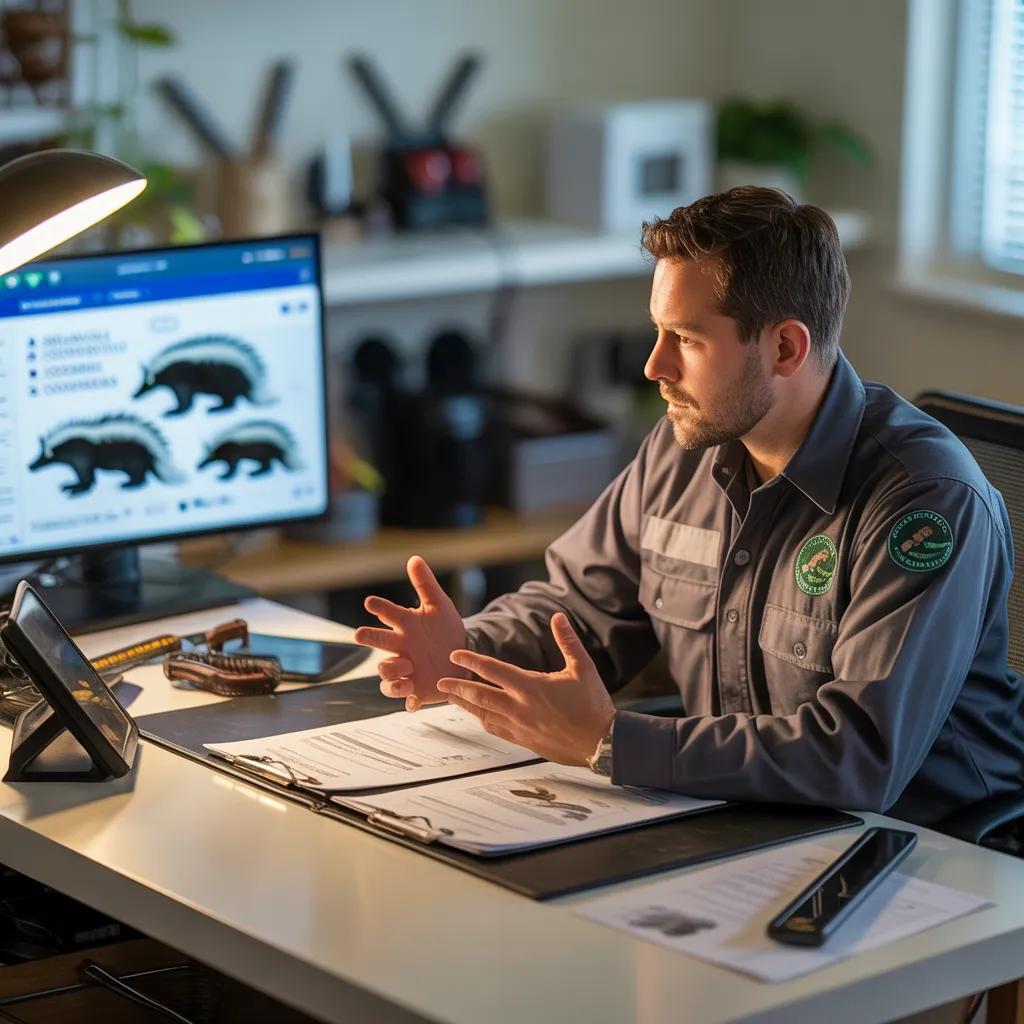
Recognizing Widespread Wildlife Pests and Their Dangers
Property owners commonly encounter a variety of wildlife pests that impose significant dangers to health and property. Typical invaders comprise rodents, raccoons, squirrels, and bats. Rodents, such as mice and rats, can damage insulation and wiring while spreading diseases through their droppings. Raccoons are well-known for ransacking garbage and can carry parasites harmful to humans. Squirrels may gnaw on wooden structures and electrical wiring, creating potential fire hazards. Bats, while beneficial for insect control, can present health risks through their droppings, which may contain histoplasmosis spores. Each of these pests not only endangers the physical integrity of a home but also the well-being of its occupants. Identifying the signs of infestations, such as droppings, gnaw marks, and nests, is essential for homeowners. Prompt recognition enables for timely intervention, reducing the associated with these common wildlife pests.
Understanding the Impact of Animal Management on Your Property
Effective animal control measures influence the safety and integrity of a property. When wildlife is managed correctly, property owners can reduce potential damage caused by pests, such as structural deterioration and food contamination. A proactive strategy to animal control not only protects physical assets but also strengthens the overall health of the environment surrounding the property.
Furthermore, efficient management decreases the threat of disease spread, safeguarding both residents and pets. Animals in the wild can carry various disease agents that pose threats to human wellbeing; thus, managing these animal populations is essential for preserving a safe home environment. Additionally, accomplished wildlife control fosters a sense of safety, allowing property owners to participate in outdoor activities without anxiety of encounters with unwanted animals. In the end, recognizing the consequences of wildlife control is vital similar information for ensuring that a piece of real estate stays a secure, well-maintained, and welcoming setting for its occupants.
Verified Procedures for Controlling Animal Outbreaks
Implementing preventative steps is essential for preventing animal invasions. Property owners can significantly minimize the threat by maintaining cleanliness and protecting food sources. This encompasses correct garbage management and storing pet food indoors. Additionally, sealing entry points, such as foundation cracks, vents, and chimneys, can discourage wildlife from accessing buildings.
Landscaping constitutes a key factor; cutting trees and shrubs back from structures reduces potential nesting sites. Installing fences around gardens can further protect against herbivorous wildlife.
Routine evaluations of the property help recognize signs of potential infestations early, allowing for timely interventions. Utilizing motion-activated lights or noise deterrents can also discourage wildlife from approaching.
Humane Beast Management Procedures to Discover Next
Implementing humane animal management techniques cultivates a balance between protecting property and respecting animal rights. These methods prioritize safe approaches to handle wildlife interactions efficiently. One popular method is the application of humane traps, making it possible for the humane trapping and movement of wildlife without damage. Additionally, preventive approaches, such as blocking access routes and reducing temptations, can prevent wildlife from entering residences.
Habitat adjustment is another ethical method, comprising the alteration of surroundings to make them less appealing to unwanted animals. For instance, maintaining neat yards and keeping trash in secure containers can substantially reduce wildlife encounters.
Additionally, using plant-based deterrents, such as predator scents or strong odors, can induce wildlife to stay removed. These tactics not only safeguard property but also nurture coexistence with local wildlife, creating a balanced relationship between humans and nature.
Which situations warrant contacting Wildlife Control professionals?
Figuring out the optimal time to call wildlife control experts often depends on identifying signs of invasion and evaluating property deterioration. Homeowners should remain vigilant for unusual animal activity or physical evidence of wildlife presence. Prompt action can stop further harm and ensure safe and humane extraction of any invading animals.
Signs Of Infestation
Detecting the signs of a wildlife infestation is essential for rapid intervention. Homeowners should stay aware for various indicators that may point to the arrival of undesirable animals. Common signs feature waste, which can vary in size and shape depending on the species, and unusual noises, particularly during the night. Additionally, scratches or damage on walls and surfaces may suggest animal occupation, while burrows or nests found around the property can additionally confirm an infestation. Vanishing food amounts, gnawed wires, or damaged insulation may also point to wildlife access. If these signs are detected, it is critical to reach out to wildlife control specialists to review the situation and implement effective solutions before the concern escalates.
Property Harm Assessment
For homeowners dealing with possible wildlife infestations, assessing property damage caused by wildlife is necessary. Damage signs may comprise chewed wires, wood that has been gnawed, and torn insulation, often indicating rodents or other animals are present. It is also important to inspect for droppings, nesting materials, and damaged structural elements, which might lead to expensive repairs if ignored. In addition, water damage from animal entry points can jeopardize the integrity of the property. When damage is significant or the infestation origin is uncertain, calling wildlife control professionals becomes vital. These specialists can assess the site, implement effective removal strategies, and prevent future problems, ensuring the property remains safe and intact.
Methods for Keeping Wildlife at Bay Over Time
Deterring wildlife at a distance requires a thorough approach that combines prevention, landscape changes, and consistent maintenance. Robust deterrence begins by protecting food supplies; residents should place pet food, birdseed, and refuse in locked bins. Removing water sources, such as blocked drainage or standing water, also minimizes wildlife interest.
Habitat modification is critical. Overgrown vegetation needs trimming, and potential breeding spots, like woodpiles and dense shrubs, must be removed. Constructing fencing can keep larger animals from accessing yards, while smaller creatures can be deterred by using barriers.
Ongoing maintenance is vital for extended prosperity. Consistent examinations of the property should be undertaken to recognize new openings or marks of animal activity. Rapid repairs and adjustments will guarantee that installed defenses remain operative. By persistently applying these strategies, residents can build an environment that inhibits wildlife penetration, protecting their properties and gardens for the long haul.
Guidelines for Sharing Peacefully With Local Creatures
Coexisting in harmony with local wildlife improves both the natural surroundings and public well-being. To attain this balance, people can implement many useful strategies. To begin with, securing garbage containers and compost piles stops animals from foraging, reducing unwanted wildlife encounters. In addition, preserving indigenous vegetation in gardens fosters a natural habitat that sustains local species while reducing invasive plants that may disrupt local ecosystems.
In addition, homeowners should steer clear of harmful pesticides, as these chemical agents can detrimentally impact both animals and the local habitat. Teaching the community about animal behavior patterns in the area fosters awareness and minimizes worry. Placing wildlife-friendly fencing can also help defend plant areas without damaging fauna.
Ultimately, teaming up with local conservation groups can extend resources and support for eco-friendly practices. By introducing these strategies, communities can capitalize on the advantages of local wildlife while safeguarding safety and sustainability for all.

Frequently Inquired Questions
What statutory provisions establish Wildlife Control standards in My Area?
Guidelines regarding animal control differ by regions and commonly involve permits, banned methods, and specific seasons. Persons should consult local wildlife agencies for precise guidelines to confirm adherence with regional laws and regulations.
What Is the Average Price of Professional Animal Removal?
Wildlife control services commonly cost between $200 and $600, influenced by considerations such as the type of wildlife, severity of the infestation, and services needed. Extra costs may occur for follow-up appointments or preventative treatments.
Can Animal Management Methods Harm Companion Animals or Livestock?
Management methods for wildlife can possibly injure domestic animals or farm animals if not properly managed. Some approaches may unintentionally impact unintended wildlife, emphasizing the importance of choosing experienced professionals who place emphasis on the welfare of every animal present.
What Ought to I Do if I Come across Injured Animals on My Premises?
If you find wounded animals, remain calm and observe from a distance, never touch it, and contact local animal rescue centers or animal control for skilled support to guarantee the animal obtains necessary care.
Do seasonal fluctuations in creature activity exist that I should understand?
Seasonal changes in wildlife activity often surge during spring and fall. Animals may be more visible seeking food and shelter, while winter brings torpor or migration. Awareness of these rhythms supports in effective wildlife management.